Where is my pet?
Start with GPS Collars, Bluetooth Trackers, and QR & NFC Tags when location, identification, escape awareness, or recovery is the main need.
Choose connected care with purpose
Smart pet technology works best when it solves a clear care need. This guide helps you compare tracking, monitoring, feeding, hydration, access, wellness, training, and home automation products by the role they play in your pet's routine—not simply by how many features they offer.

Care compass
Product categories become easier to compare when you connect each one to a real care question. Use these six starting points to narrow the field before comparing specific features.
Start with GPS Collars, Bluetooth Trackers, and QR & NFC Tags when location, identification, escape awareness, or recovery is the main need.
Pet Cameras and Sensors & Alerts can add visibility around feeding areas, entry points, resting spaces, or rooms used while you are away.
Automatic Feeders, Water Fountains, and Self-Cleaning Boxes can help make recurring food, hydration, and waste-care tasks more predictable.
Activity Trackers, Pet Scales & Vital Sensors, and Climate Controllers can add context around activity, weight, room conditions, and everyday comfort.
Electronic Pet Doors and access sensors can help structure entry, exit, and household movement when installation and compatibility are suitable.
Remote Trainers, Bark Deterrents, and Wireless Fences can support structured training and boundaries when used responsibly and with supervision.
Smart-pet foundations
The best smart-pet setup is usually the one that fits naturally into the care routine already happening. Before comparing specifications, define what success should look like after the device is installed, charged, connected, and in daily use.
Choose the most important outcome first: location visibility, scheduled feeding, hydration, home monitoring, controlled access, wellness context, or training support.
Think about indoor or outdoor use, Wi-Fi strength, Bluetooth range, power access, weather exposure, installation surface, room layout, and where your pet naturally spends time.
Review size, weight, collar fit, temperament, mobility, feeding style, drinking habits, litter habits, training history, and tolerance for sounds or moving parts.
Smart products still need charging, cleaning, refilling, filter changes, app updates, calibration, battery checks, or occasional troubleshooting.
Alerts, maps, video, activity, weight, or schedules add value when they help you make a practical decision—not simply because the device can collect them.
Connected routines
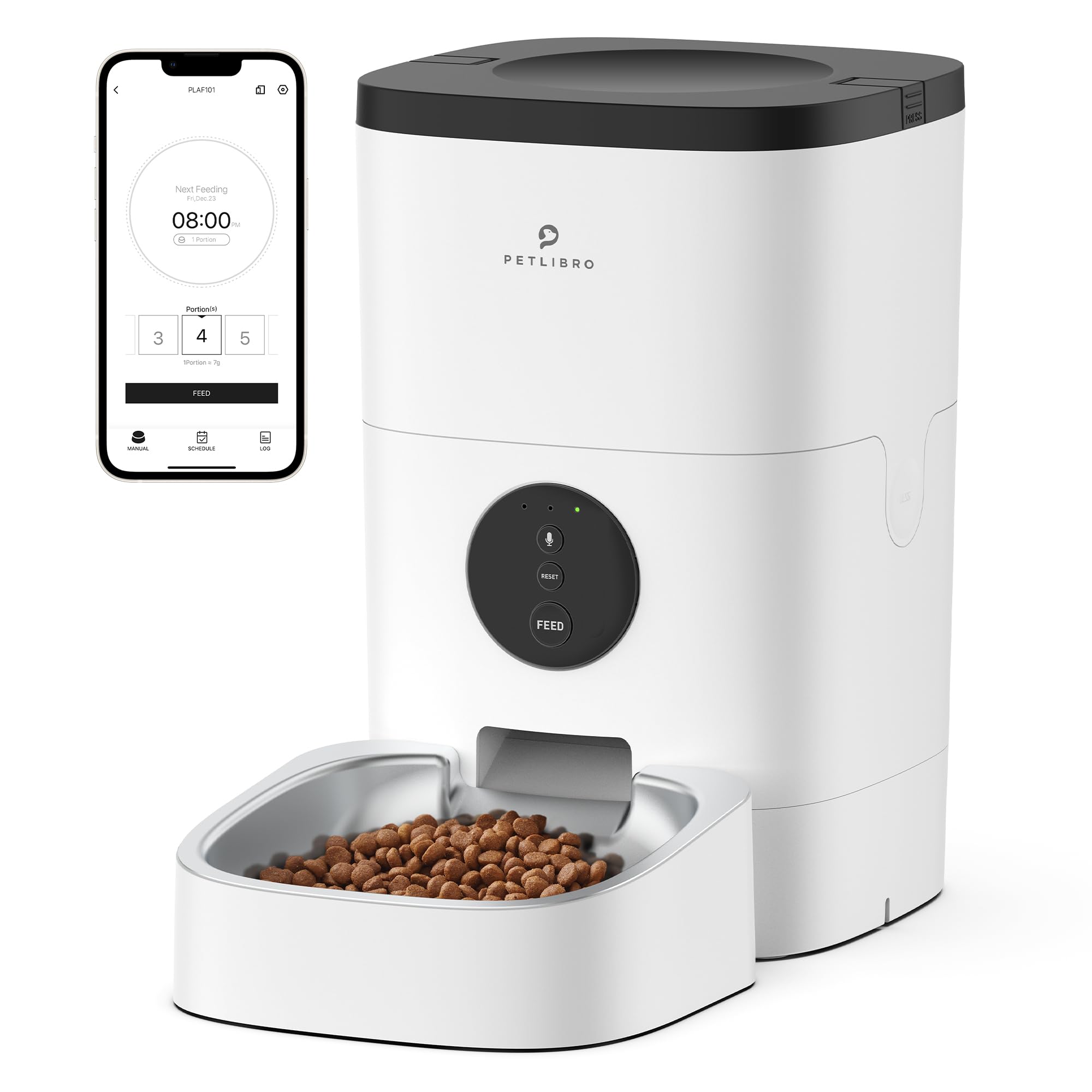
Automatic feeders, water fountains, and self-cleaning litter systems are designed around recurring tasks. Their value comes from consistency, but each still benefits from human oversight, routine maintenance, and an understanding of your pet's normal habits.
Compare food capacity, portion control, schedule flexibility, backup power, bowl design, food compatibility, app features, and how easy the feeder is to clean.
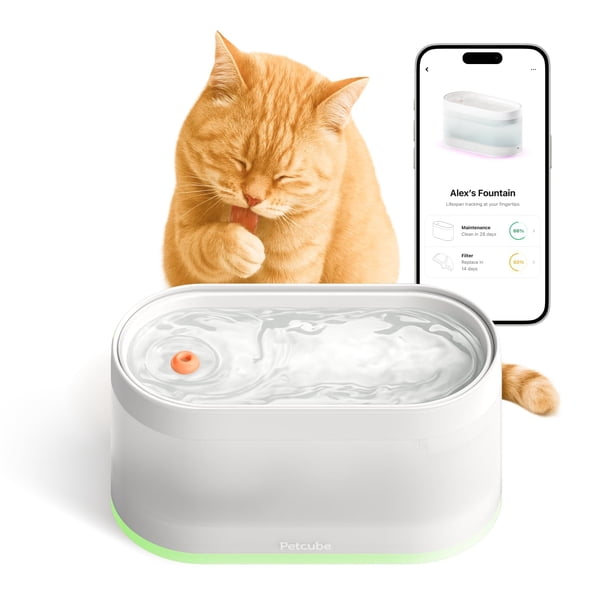
Compare fountain capacity, filtration, pump noise, refill access, water-level visibility, cleaning effort, replacement filters, and whether hydration tracking is useful to you.
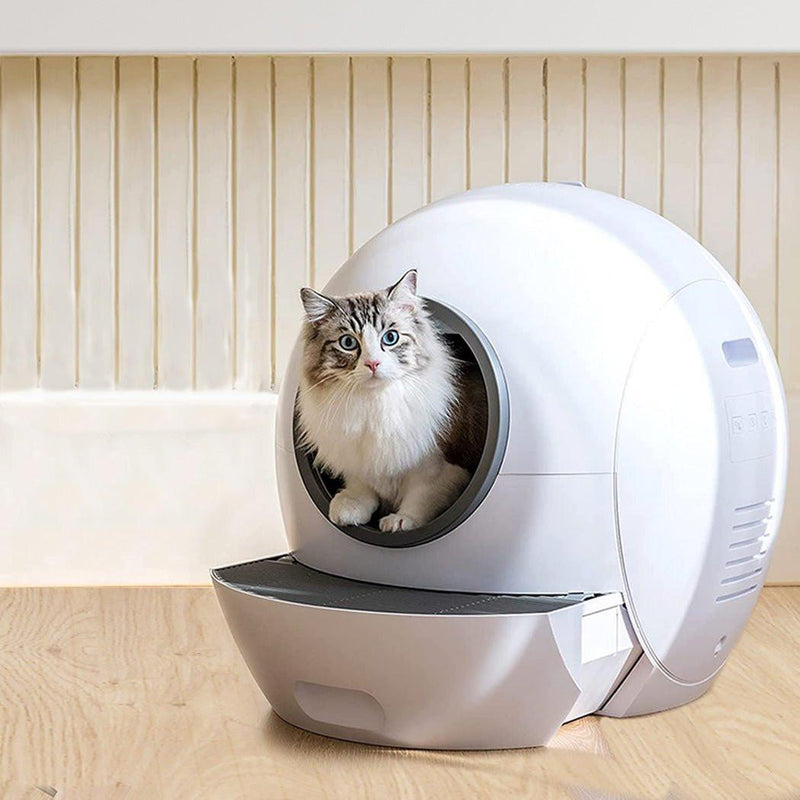
Compare litter compatibility, entry size, waste-bin capacity, cycle behavior, odor control, sensor design, cleaning access, and the space required around the unit.
The Nuvopet smart-care map
Think of smart pet technology as a set of care systems rather than isolated gadgets. A thoughtful setup may use one system or combine several, depending on the pet, home, schedule, and level of monitoring you actually need.
GPS Collars, Bluetooth Trackers, and QR & NFC Tags help connect a pet to location or identification information.
Pet Cameras and Sensors & Alerts help extend visibility into spaces or moments when you are not physically present.
Feeders, fountains, and litter systems help organize recurring care tasks around schedules, refills, and maintenance cycles.
Activity Trackers, Pet Scales & Vital Sensors, and Climate Controllers provide context around activity, weight, readings, and room conditions.
Remote Trainers, Bark Deterrents, Wireless Fences, and controlled-entry products can support consistent rules and supervised boundaries.
Quick comparison matrix
Use this matrix as a screening tool. Exact requirements vary by model, so review the specific product information and manufacturer instructions before purchase.
| Product type | Best for | Check before buying | Ongoing care | Common dependency |
|---|---|---|---|---|
| GPS Collars | Outdoor location awareness | Pet size, collar fit, coverage, battery life | Charging and fit checks | GPS, cellular or manufacturer service |
| Bluetooth Trackers | Shorter-range finding and proximity | Range, phone compatibility, ecosystem | Battery or charging | Bluetooth and companion app |
| Pet Cameras | Remote home visibility | Field of view, placement, audio, privacy | Lens cleaning and app updates | Wi-Fi and power |
| Automatic Feeders | Scheduled meals and portions | Food type, capacity, bowl size, backup power | Cleaning, refilling and schedule review | Power; Wi-Fi on connected models |
| Water Fountains | Fresh circulating water | Capacity, filters, noise, pump design | Cleaning and filter changes | Power; app on smart models |
| Self-Cleaning Boxes | Automated waste handling | Pet size, litter compatibility, footprint | Waste removal and deep cleaning | Power; app on connected models |
| Activity Trackers | Movement and routine trends | Fit, weight, battery, data presentation | Charging and data review | App and wireless connection |
| Pet Scales & Vital Sensors | Weight or measurement context | Range, accuracy claims, pet positioning | Consistent measurement conditions | App or display, depending on model |
| Electronic Pet Doors | Controlled household access | Opening size, installation, wall or door fit | Cleaning, batteries and access settings | RFID, collar key, app or power |
| Wireless Fences | Defined outdoor boundaries | Property layout, range, terrain, training plan | Battery checks and boundary review | Transmitter, GPS or collar system |
Hydration & home wellness
Smart fountains, activity trackers, scales, vital sensors, and climate controllers can produce useful information, but more data does not automatically create better care. Focus on measurements you can interpret in the context of your pet's normal routine.
Repeated observations are often more informative than a single isolated reading. Consistency matters when comparing weight, activity, hydration, or room conditions.
A sensor is most useful when the information leads to a clear action such as refilling water, checking room temperature, reviewing activity, or discussing a meaningful change with a professional.
Wellness devices can provide everyday context, but they do not replace professional veterinary assessment, diagnosis, or treatment.
Home access & boundaries
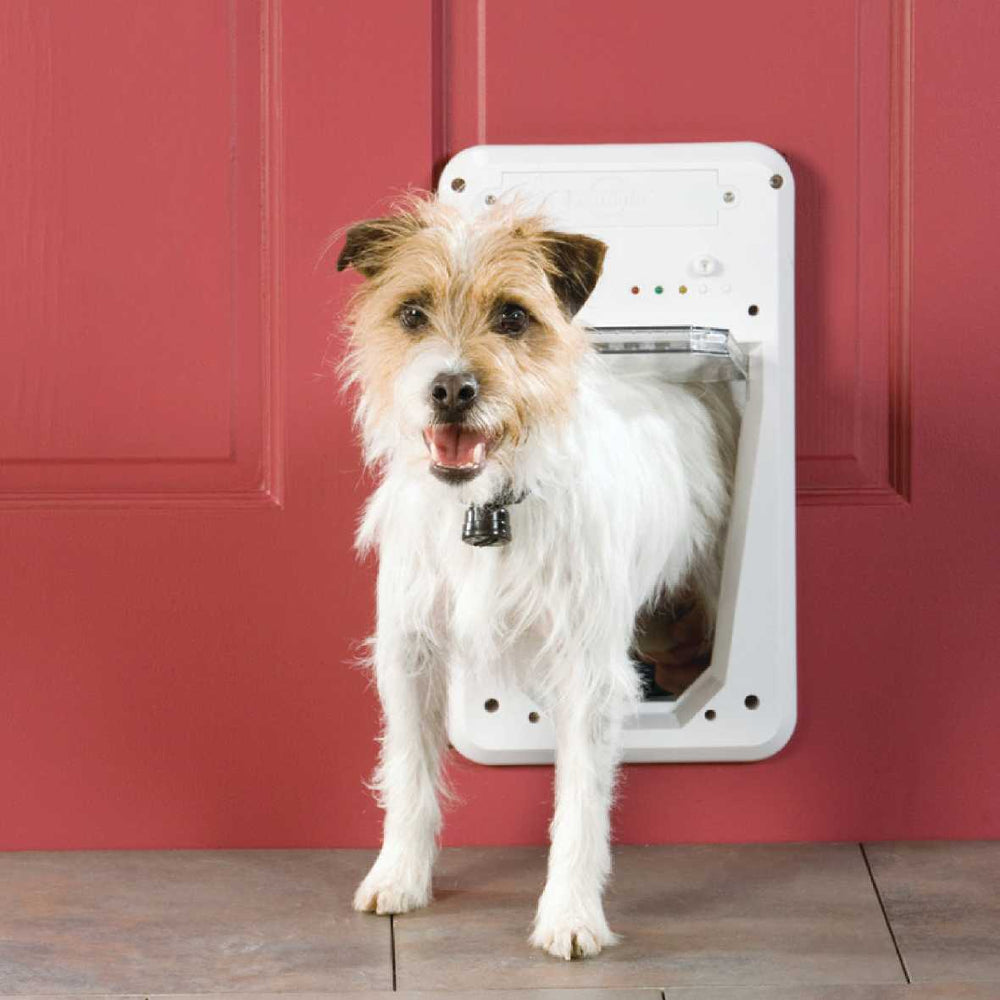
Electronic pet doors, sensors, cameras, climate devices, and wireless fence systems interact directly with the home. Before purchase, confirm not only that the product suits the pet, but that the home can support the installation, power, connectivity, and operating range it requires.
Door thickness, wall construction, opening size, collar fit, mounting surface, room dimensions, property layout, and pet size can all affect compatibility.
Confirm outlet access, battery requirements, Wi-Fi coverage, Bluetooth range, GPS conditions, or other connectivity needs before the device becomes part of a daily routine.
Doors, boundaries, deterrents, cameras with moving parts, and automated devices may need gradual introduction so the pet can become comfortable with them.
Maintenance reality
The most successful smart-pet products are the ones you can maintain consistently. Before buying, picture the weekly and monthly tasks required to keep the device clean, powered, connected, and comfortable for your pet.
Bowls, fountains, waste drawers, trays, sensors, camera lenses, collars, tags, and door surfaces can all collect food, water residue, litter, hair, dust, or outdoor debris.
Filters, liners, batteries, consumables, collar attachments, or other wear parts can become part of the true long-term ownership cost.
Check whether the product has battery backup, local controls, stored schedules, manual operation, or another fallback that matters to the routine.
Before you buy
A few minutes spent checking fit, connectivity, maintenance, and real-world use can prevent many of the most common smart-product frustrations.
Name the primary care problem before comparing features. If the purpose is unclear, the device may add complexity without adding much value.
Review pet size, weight, dimensions, collar fit, temperament, mobility, feeding style, or other category-specific compatibility requirements.
Check placement, installation surface, room, doorway, property layout, weather exposure, clearance, and access for cleaning or refilling.
Understand charging frequency, replaceable batteries, outlet requirements, cable placement, and whether backup power matters to the routine.
Confirm Wi-Fi band, Bluetooth, GPS, cellular service, phone compatibility, app requirements, permissions, and any manufacturer account needed.
Consider cleaning, filters, waste handling, charging, consumables, firmware updates, recalibration, and replacement parts before purchase.
Check whether core functions continue without internet, app access, a cloud service, or mains power when continuity is important.
Plan a gradual introduction when the product makes noise, moves automatically, changes access, sits on the body, or affects feeding, drinking, litter, or training.
Nuvopet provides free shipping across the full product range.
Standard order delivery is 3–5 calendar days.
Eligible products can be returned or exchanged free within 30 days.
Support is available around the clock for product, order, setup, delivery, return, and exchange questions.
Nuvopet guidance
If you are deciding between tracking, monitoring, feeding, hydration, access, wellness, climate, training, or boundary products, Nuvopet support is available 24/7 to help clarify product information, compatibility, setup requirements, and the practical differences between categories.